01
Find the interval, then correct
Inkey works out the single interval that puts the whole loop in your key, and applies that first, making individual note snaps sound natural.
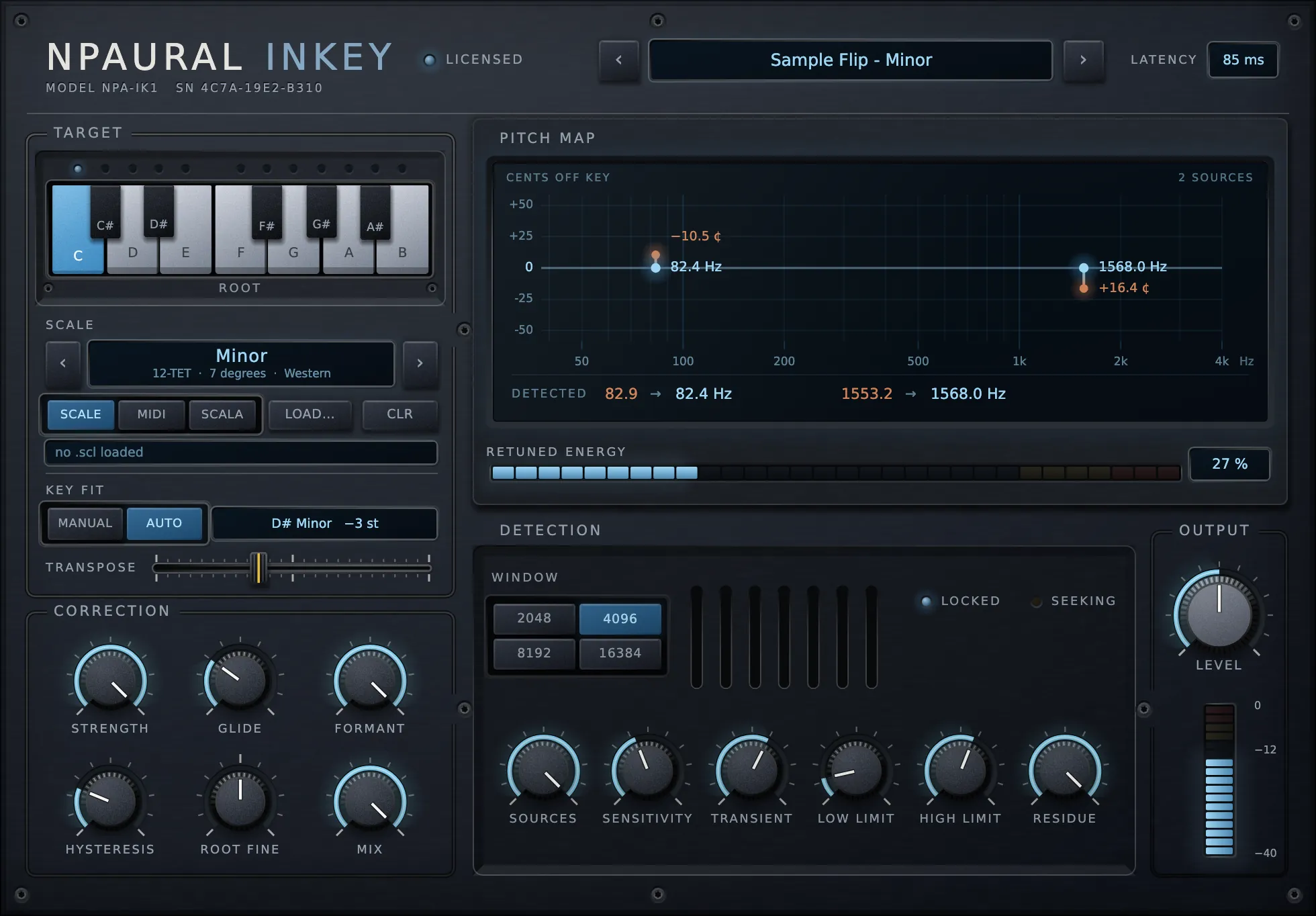
Inkey knows 54 scales out of the box and gives you the ability to set your own .scl file, to give you access to hundreds more — encompassing even complex traditions like maqam, raga and shruti.
Every loop you own becomes usable in the track you are writing: drop it in and it arrives in your key, chords intact, drums untouched. 15 presets to start from - sample flips, vocal chops and 13 more.
Auto Fit is on out of the box: You pick the key you want it in, Inkey detects the loop's key by itself and fits it to it.
Inkey works out the single interval that puts the whole loop in your key, and applies that first, making individual note snaps sound natural.
Harmonic grouping ensures a whole note moves as a unit - up to eight at once, also keeping chords intact.
Inkey changes notes only after hearing at least three identifiers. Anything not positively identified as a note passes through as-is, so drums come out completely untouched.
Accuracy
Sample Flip - Minor · Sample Flip - Major · Nudge (50%) · Chord Lock · Vocal Chops · Bass Only · Melody Only, Drums Safe · Play The Key (MIDI) · Maqam Rast · Maqam Bayati · Maqam Hijaz · Makam Ussak · Raga Bhairav · Just Intonation · Chromatic (Analyse)
Get it
All prices are final prices. Any applicable taxes and charges are included, and there are no delivery costs. We accept: Card, Apple Pay, Google Pay, PayPal, iDEAL, Bancontact, EPS, Revolut Pay. No delivery restrictions.
The full plugin, no time limit. Until a licence is on the machine, settings are not saved with a project.
No account, no email, no licence key.
More plugins
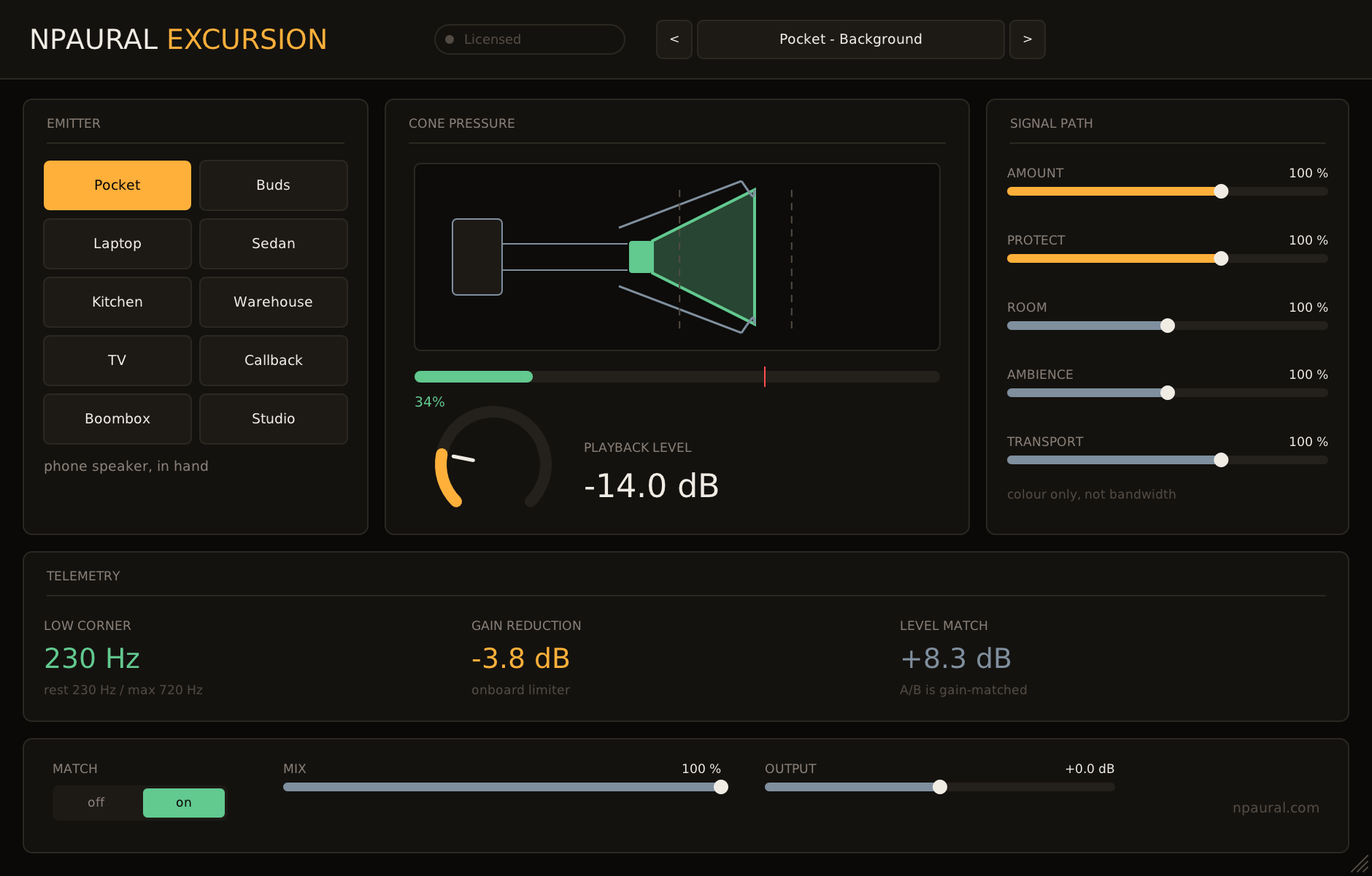
Plays your track through a speaker too small for it.
€39/VST3 · CLAP · AU
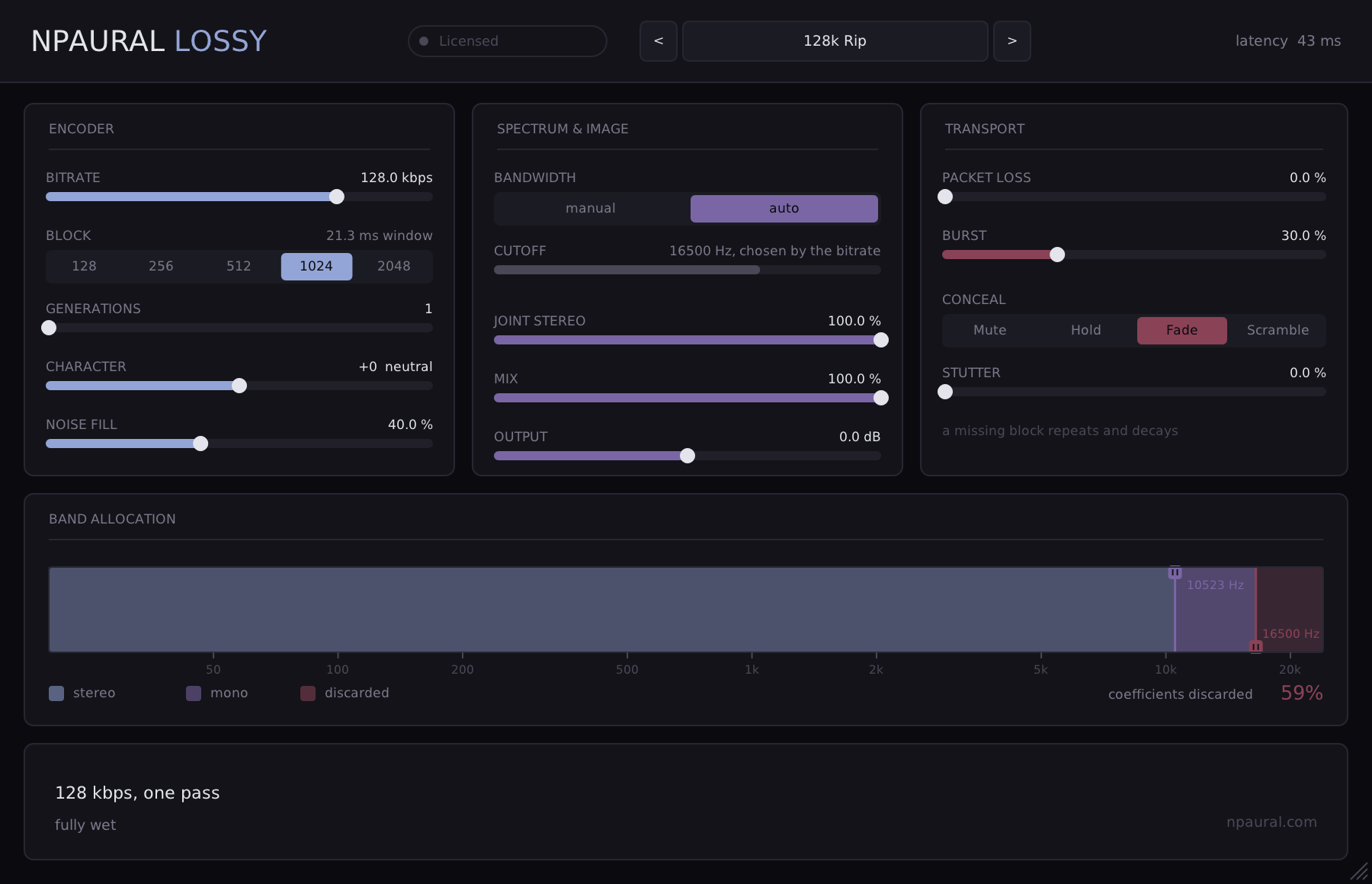
Audio compression you can starve until it breaks.
€29/VST3 · CLAP · AU
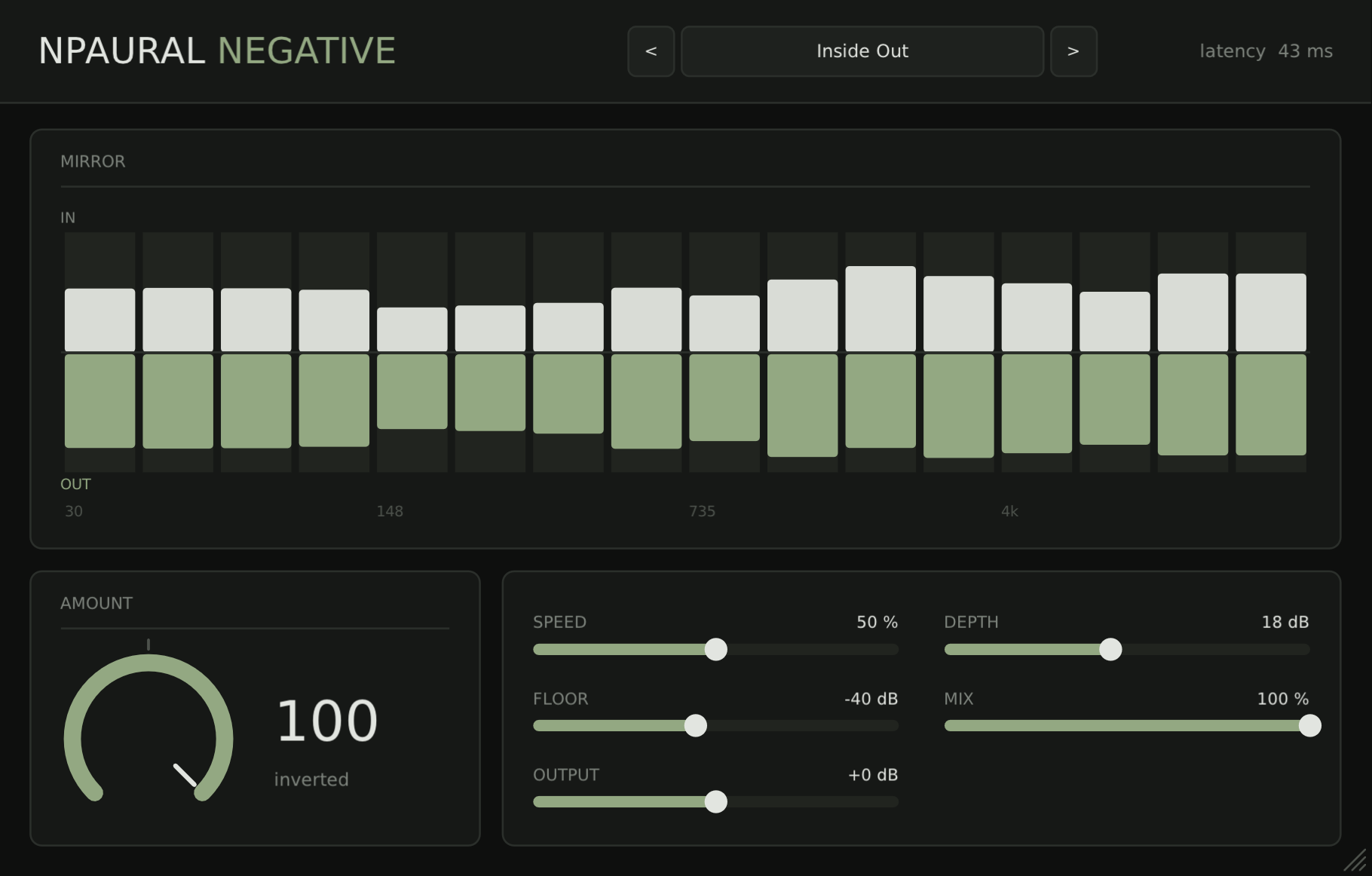
Inverts a mix's dynamics band by band, so what sat between the hits becomes the loudest thing in it.
Free/VST3 · CLAP · AU · LV2
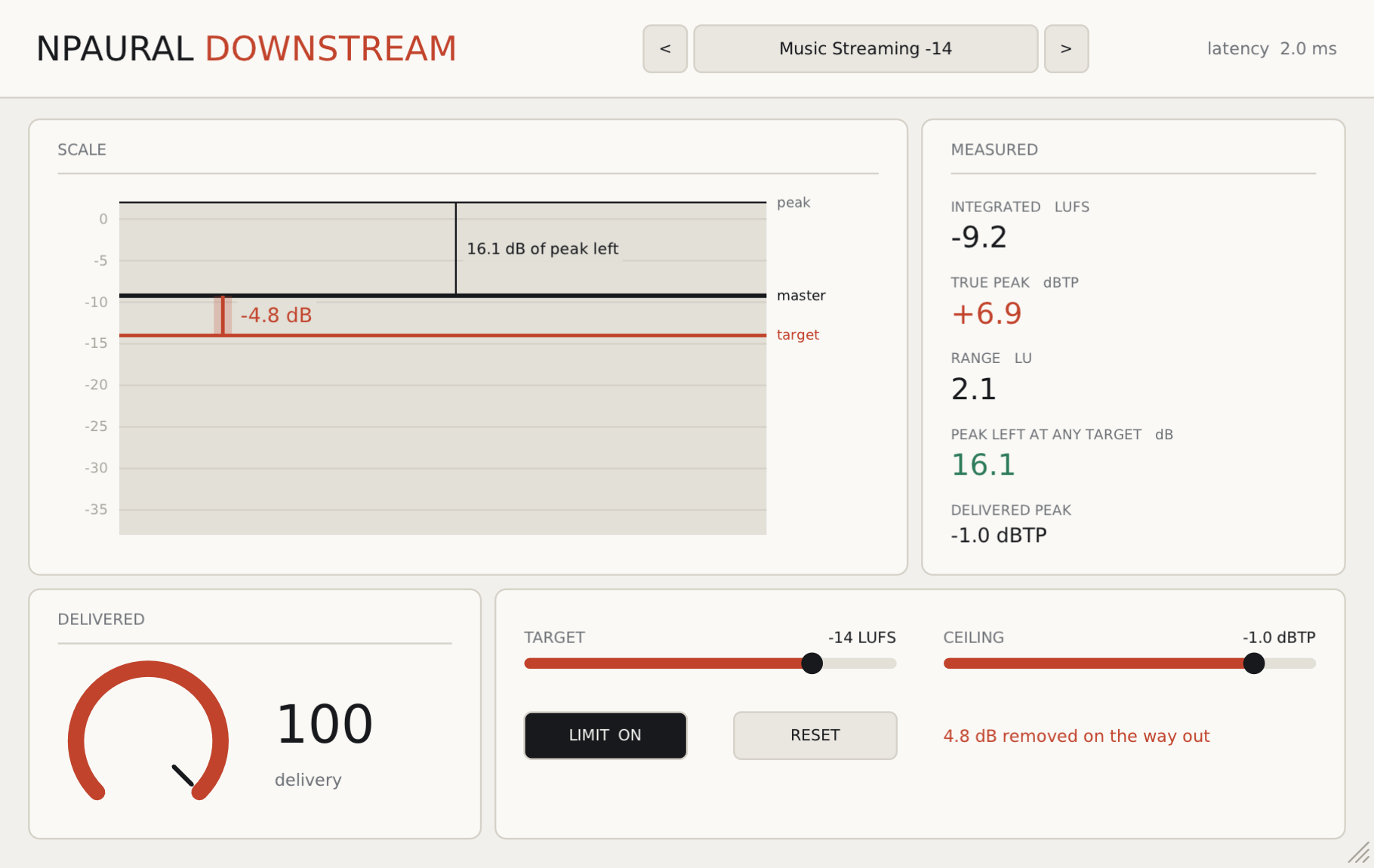
Applies the loudness a delivery target implies, so you hear what the listener gets instead of a number.
Free/VST3 · CLAP · AU · LV2
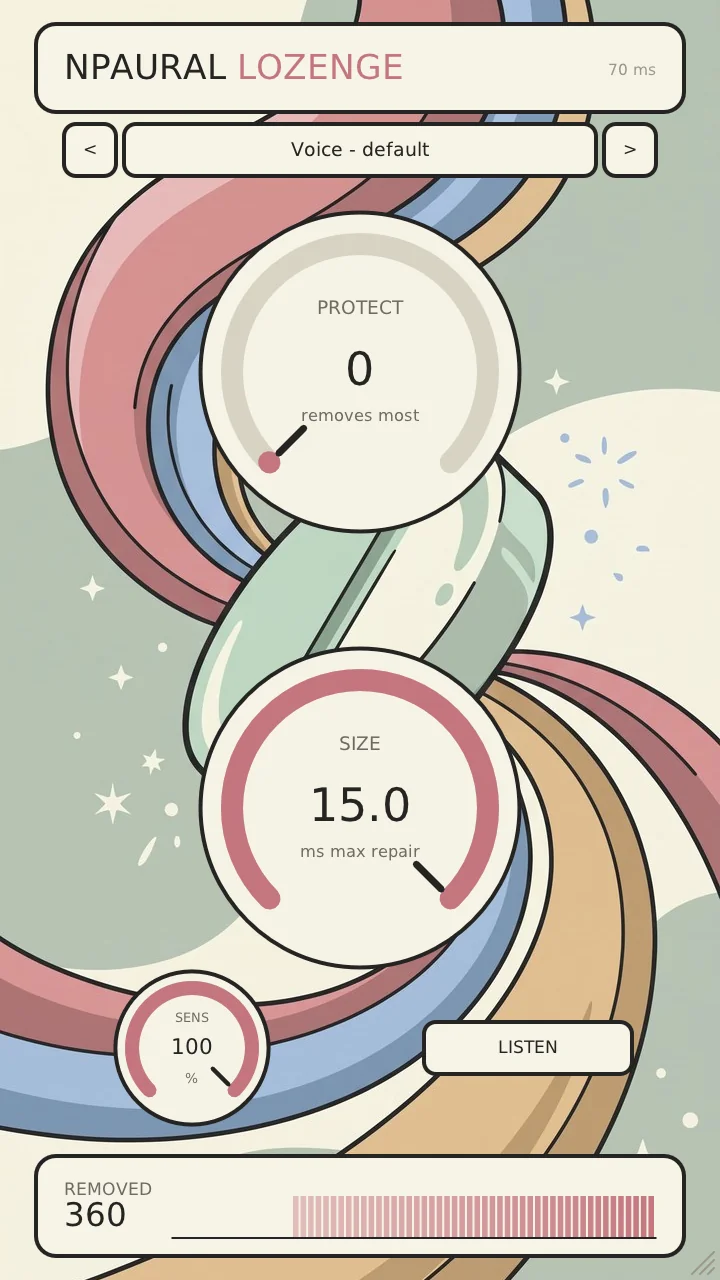
Takes mouth clicks out of your recording, and leaves the consonants in.
Free/VST3 · CLAP · AU · LV2
The maqam, makam and raga tunings are derived from published interval structures and cross-checked against published cent values.